
TMS for Anxiety in Greeley, CO
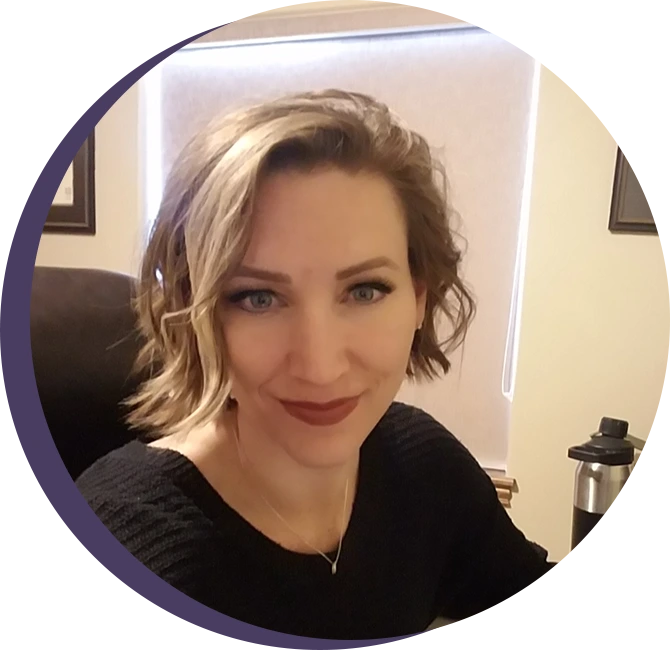
Mindset TMS in Greeley, CO, offers TMS therapy for anxiety. This innovative treatment uses magnetic pulses to stimulate mood-regulating areas of the brain. Over the course of 30-40 sessions, TMS can provide long-term relief for the main symptoms of anxiety, such as excessive worrying, difficulty concentrating, and sleep disruption. The procedure is well-tolerated and does not involve serious side effects. With over a decade of expertise in psychiatry and patient-centered care, Dr. Nicholle Peralta and her amazing team empower people to transform their mental health and reclaim happiness.




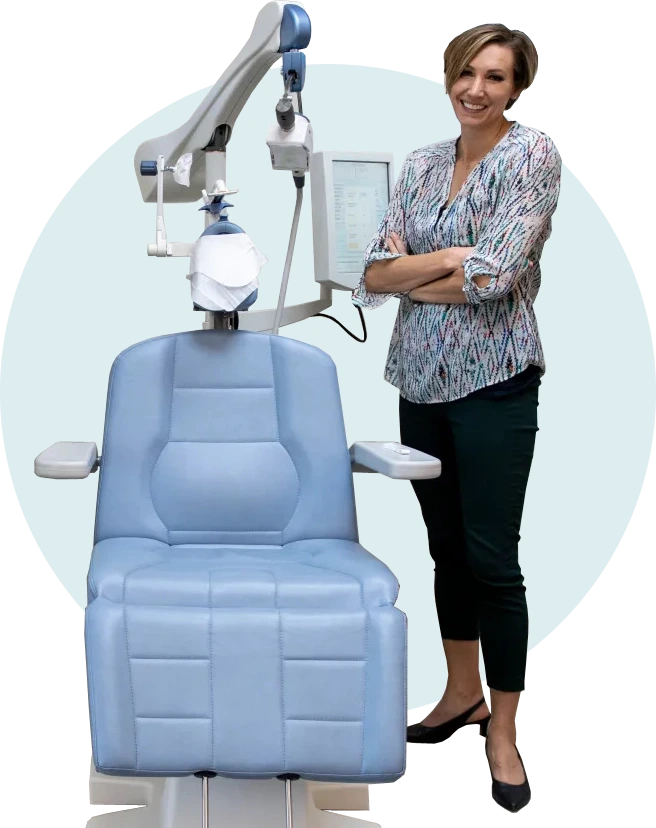
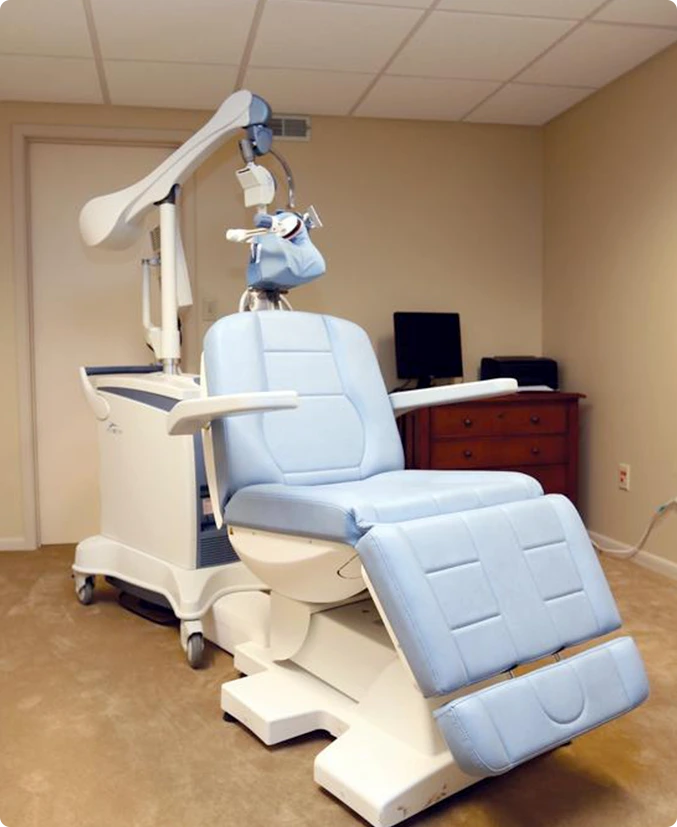
Transcranial magnetic stimulation (TMS) is a non-invasive procedure that uses magnetic fields to stimulate nerve cells in the brain that are involved in mood regulation and anxiety. During TMS, a magnetic coil (special device) is placed near the forehead. An electromagnet in the coil painlessly delivers a pulse that stimulates nerve cells in the brain region that regulates mood. A typical course of TMS for anxiety involves 30-40 sessions, with each one lasting less than an hour.
The stimulation is designed to activate or deactivate specific brain areas that are involved in anxiety. It can also help to treat depression and obsessive-compulsive disorder (OCD). There is a possibility that TMS will soon be used to reduce symptoms of posttraumatic stress disorder (PTSD) and bipolar depression.
According to the U.S. Food and Drug Administration, TMS was cleared for treatment-resistant depression in 2008 and for OCD in 2018. The National Institute of Mental Health lists TMS among established brain stimulation therapies.
What Is TMS for Anxiety?
TMS Techniques
Repetitive Transcranial Magnetic Stimulation (rTMS)
During rTMS, a rapidly changing magnetic field is applied to the brain through a small coil placed on the scalp. This generates electric currents that stimulate nerve cells in the targeted brain region. In rTMS, multiple magnetic pulses are delivered over a course of time. The repetition of pulses changes brain activity in the target area. For example, high-frequency rTMS (≥ 5 Hz) increases the excitability of certain zones, while low frequency (≤ 1 Hz) decreases it. This technique is more beneficial than single-pulse TMS because it enables longer-lasting effects.
Theta Burst Stimulation (TBS)
TBS is a form of repetitive TMS that delivers magnetic pulses in a specific pattern modeled after brain waves. TBS applies bursts containing 3 magnetic pulses given at 50 Hz, repeated every 200 ms. This timing mirrors natural theta waves in the brain. There are two main TBS techniques:
Intermittent TBS (iTBS): Involves bursts of high-frequency stimulation at intervals and is usually applied to the front-left part of the brain. It is a shorter, more intense form of treatment than traditional rTMS.
Continuous TBS (cTBS): Involves continuous bursts of stimulation
The mechanisms behind TBS are complex, but it is more efficient than standard rTMS, requiring a total stimulation of under 5 minutes. Its unique rhythmic bursts make it distinct from other brain stimulation approaches.
Deep Transcranial Magnetic Stimulation (dTMS)

Before beginning TMS for anxiety disorder, a consultation is scheduled with Dr. Peralta to determine if the candidate is eligible for this procedure. A thorough clinical evaluation and interview along with rating scales are utilized to diagnose and assess the severity of anxiety as well as other possible comorbid conditions. The doctor also reviews the patient’s medical history, including any medications or medical devices they use, as TMS could potentially interact with non-removable devices or implants near the coil.
Before the first treatment, patients are educated on what to expect, including hearing clicking noises from the TMS machine and feeling tapping sensations on the scalp during the sessions. Throughout the TMS sessions, patients continue regular meetings with their mental health provider.
Consultation & Preparation for TMS
Patient Setup
Locating the Treatment Site and determining Stimulation Intensity
Determining Stimulation Intensity
Application of Magnetic Pulses
Treatment Course
Treatment Course
TMS Procedure

Recovery After TMS for Anxiety

Candidates for TMS for Anxiety
Adults With Treatment-Resistant Anxiety
Patients Who Want to Avoid Medication Side Effects
Patients With Anxious Depression
Benefits of TMS for Anxiety
Our TMS is appropriate for many people who experience mood disorders. Here are the main benefits of this treatment:




Patients experience fast, significant relief from anxiety in as little as 4 to 6 weeks of TMS treatment. Positive effects may last for years, especially when combined with psychotherapy. TMS provides substantial anxiety relief more rapidly than medications alone. While symptoms may return after some time, they can be addressed again with this effective therapy.

Cost of TMS near Greeley, CO
The cost of TMS for anxiety disorders near Greeley, Colorado, ranges from $6,500 to $15,000. The exact price will depend on factors specific to each individual’s treatment and insurance plan. To get accurate financial information, patients should schedule a consultation with Dr. Peralta. She will conduct all of the necessary evaluations and our billing specialist can conduct an insurance benefits investigation to provide an estimate of out of pocket costs for each individual. We offer flexible financing via Advance Care Card for patients who do not have insurance.
What Makes Our TMS Different From Others?
Frequently asked questions about TMS for anxiety
What is TMS for anxiety?
Transcranial magnetic stimulation (TMS) is a non-invasive procedure that uses magnetic fields to stimulate nerve cells in the brain. Mindset TMS in Greeley offers TMS therapy for anxiety, including when it occurs alongside depression. The National Institute of Mental Health lists TMS among established brain stimulation therapies.
How many sessions will I need?
A full course of TMS for anxiety usually consists of 30-40 total sessions provided 5 days per week over several weeks.
Who is a candidate for TMS for anxiety?
People with anxiety that has not responded to standard treatments like psychotherapy and medication may be candidates. Some people choose TMS to avoid side effects associated with anti-anxiety medications. For those living with major depressive disorder and anxiety, TMS may offer help for both conditions.
How soon might I feel relief?
Patients experience significant relief from anxiety in as little as 4 to 6 weeks of TMS treatment.
How much does TMS for anxiety cost near Greeley?
The cost of TMS for anxiety disorders near Greeley, Colorado, ranges from $6,500 to $15,000. The exact price depends on the treatment plan. Mindset TMS accepts most major insurance plans and offers financing.