
TMS for OCD Therapy in
Greeley, CO
Mindset TMS in Greeley offers TMS therapy, an innovative treatment for patients with obsessive-compulsive disorder (OCD). This non-invasive procedure uses magnetic pulses to stimulate specific brain regions to relieve symptoms without medication or surgery. An entire course of TMS treatment involves daily sessions over 4-6 weeks. Our team guides each patient on their unique path to recovery, helping them improve their mental wellness.



What Is TMS
Therapy for OCD?
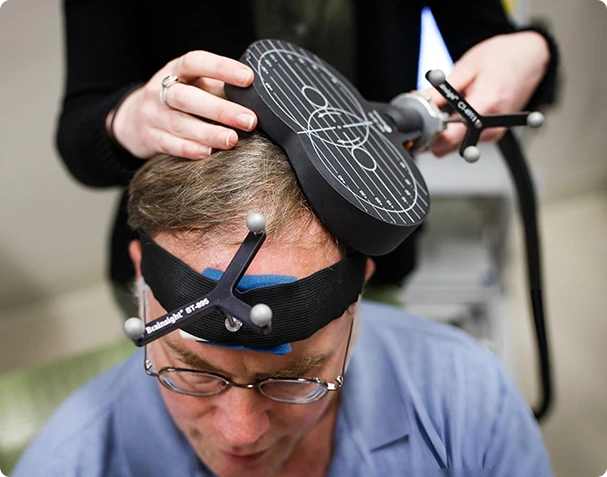
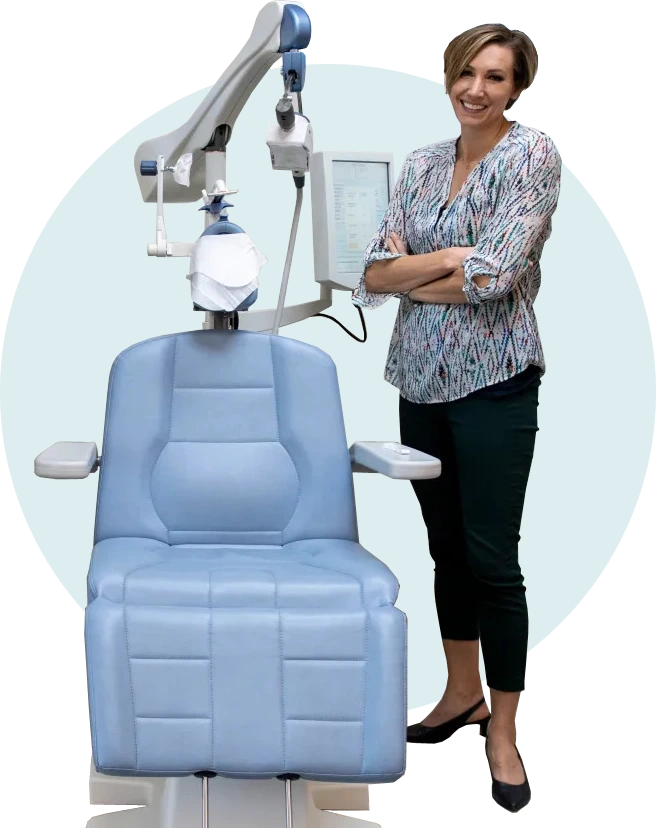
TMS stands for transcranial magnetic stimulation, a non-invasive treatment for OCD. During TMS, an electromagnetic coil is placed against the patient’s head. This device painlessly delivers magnetic pulses that stimulate areas of the brain that regulate mood. A typical course of such treatment involves daily sessions lasting around 20 minutes each over 4-6 weeks. TMS aims to provide symptom relief without surgery or medication.
According to the U.S. Food and Drug Administration, TMS was cleared for treatment-resistant depression in 2008 and for OCD in 2018. The National Institute of Mental Health lists TMS among established brain stimulation therapies.
Types of TMS
Single-pulse TMS
Involves delivering just one magnetic pulse to the brain. This approach is used for diagnostic purposes to measure neurological reactivity and can be utilized to determine the intensity of stimulation for TMS treatment protocols.
Repetitive TMS (rTMS)
This therapy aims to modulate brain circuits to improve mental health symptoms. In rTMS, a series of rapid magnetic stimulations are delivered, usually targeting a specific brain region. Our treatment plans involve daily rTMS (5 days per week) sessions over 6-9 weeks. Repetitive stimulations may help modulate brain networks involved in depression, anxiety, and OCD to help normalize brain functioning and resolve symptoms.
Theta burst stimulation (TBS)
TBS is a newer form of rTMS that is gaining popularity due to its high effectiveness and shorter sessions (approximately 3 minutes). TBS delivers patterned pulses that mimic naturally occurring brain rhythms. This treatment can increase excitability in targeted brain regions associated with certain mental health conditions. It may strengthen weaker circuits and normalize functioning.
Deep TMS
Deep TMS is a form of Repetitive TMS that utilizes innovative equipment to stimulate deeper brain regions. By utilizing a specialized TMS coil, magnetic pulses can reach areas in the brain to modulate brain networks associated with OCD. Targeting these deeper brain circuits is the key to reducing OCD symptoms. Deep TMS may also be utilized to treat depression.

Consultation &
Preparation for OCD Therapy
Before beginning TMS treatment for OCD, a consultation is scheduled to determine whether this therapy is suitable for the patient. Dr. Peralta will perform a comprehensive assessment and will review symptoms, rating scales, and medical history to see if TMS is appropriate.
During the consultation appointment, the entire treatment process as well as potential risks, benefits and alternative treatments will be explained to ensure patients are fully informed.
Brain Mapping
Treatment Planning
Sessions
TMS Therapy Procedure

Recovery After OCD Therapy
The recovery process after undergoing TMS treatment for OCD can vary from person to person. Symptom improvement is typically gradual over treatment. Patients may note a reduced frequency of intrusive and obsessive thoughts as well as an improved ability to manage these symptoms when and if they occur
The length and durability of TMS results may differ among patients with OCD. Some maintain complete remission for months, while others may relapse and require maintenance TMS sessions. Factors such as the severity of OCD and duration of illness may impact response and durability of effects. Additional treatments in combination with TMS, including Exposure Therapy and medications for OCD, may be of additional benefit.
Working closely with Dr. Peralta is essential to monitor progress and determine if additional TMS treatment is needed to achieve longer-lasting relief from mental health symptoms.

Candidates for OCD Therapy
TMS is an effective treatment for patients with obsessive-compulsive disorder.
Candidates for TMS therapy for OCD:
- Patients who have not responded adequately to standard treatments, such as cognitive behavioral therapy (CBT) and pharmacotherapy with selective serotonin reuptake inhibitors (SSRIs) or clomipramine
- Patients who cannot tolerate the side effects of medication
- Patients with additional psychological disorders, such as depression or anxiety
- Patients who want to avoid surgery
The optimal candidates are those with treatment-resistant OCD who have failed at least one trial of a standard OCD medication at an adequate dose and duration. TMS offers new hope for such patients. However, we must carefully evaluate each person to determine if TMS is an appropriate treatment.
Benefits of Our OCD Therapy

TMS is effective at reducing the symptoms of obsessive-compulsive disorder in many patients. By delivering focused magnetic pulses, this therapy can help to calm the overactive brain activity that contributes to obsessions and compulsions. Patients who undergo a course of TMS treatment often experience reductions in many symptoms, such as repeated checking behaviors, extreme anxiety about contamination, and obsessive thoughts.

One of the significant benefits of our OCD therapy is that it is very well tolerated, with minimal side effects. Compared to medications, or other traditional treatments, TMS is a very targeted and focal treatment. The most common side effect is a tapping sensation at the treatment site. No anesthesia or sedation is required. Patients remain awake and alert during the treatment and can resume normal activities right after treatment.

TMS is a non-invasive therapy that does not involve surgical procedures or medical devices implanted in the body. It stimulates the brain externally using magnetic fields that penetrate the skull. The non-invasive nature of our treatment reduces risks and side effects.

TMS has demonstrated promising results for treating a variety of mental health symptoms. These include mood disorders, anxiety, PTSD, tobacco use disorders and OCD. TMS can help to reduce symptoms by stimulating critical brain regions and modulating brain circuits.

TMS therapy can improve the quality of life for people suffering from OCD. People experience less anxiety, fear, doubt, and improved ability to manage intrusive thoughts, allowing them to function better at work, school and in relationships. With relief from OCD symptoms, many activities and life milestones become more achievable.
Cost of TMS for OCD
near Greeley, CO
The cost of TMS near Greeley, CO, ranges from $200 to $500 per session. The total price of this treatment can vary depending on the number of sessions required. Additional factors impacting overall cost may include intake evaluations and follow-up appointments. Health insurance coverage is also a key factor as nearly all plans cover a portion of or all expenses for TMS therapy.
Mindset TMS accepts most insurance plans and is in network with Medicare. We also offer Advanced Care Card for uninsured patients. This third-party financing service provides interest-free periods and flexible terms. Our supportive team is dedicated to helping find solutions that suit the patient’s goals, needs, and budget.
What Makes Our Mental Health Treatment
Different From Others?
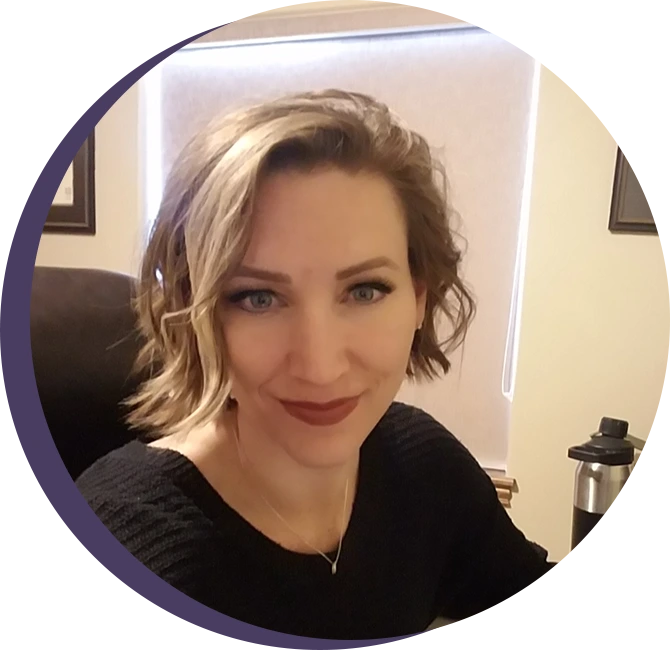
Patients seeking relief from depression, anxiety, and OCD can find personalized care and innovative solutions at Mindset TMS. With a dedicated team led by board-certified psychiatrist Dr. Nicholle Peralta MD and experienced TMS technicians, our practice is committed to achieving the best result possible. Our mission is to empower patients to reclaim their happiness and live fulfilling lives. Mindset TMS accepts most insurance plans and offers flexible financing options to make this revolutionary TMS therapy accessible.
Frequently asked questions about TMS for OCD
What is TMS therapy for OCD?
TMS is a non-invasive treatment for OCD. An electromagnetic coil delivers magnetic pulses to modulate brain circuits involved in obsessive-compulsive symptoms. Deep TMS is a form of repetitive TMS that stimulates deeper brain regions. The FDA cleared Deep TMS for OCD in 2018.
How often are OCD TMS sessions?
TMS for OCD is typically provided 5 times per week for 6 weeks. Each daily treatment lasts approximately 20 minutes.
Who is a candidate for TMS for OCD?
The optimal candidates are those with treatment-resistant OCD who have failed at least one trial of a standard OCD medication. A consultation with Dr. Peralta determines whether therapy is suitable.
What is recovery like after OCD TMS?
The recovery process can vary. Symptom improvement is typical during the treatment course. TMS is very well tolerated, with minimal side effects compared with many medications.