
TMS for PTSD in
Greeley, CO



What Is TMS Therapy for PTSD?

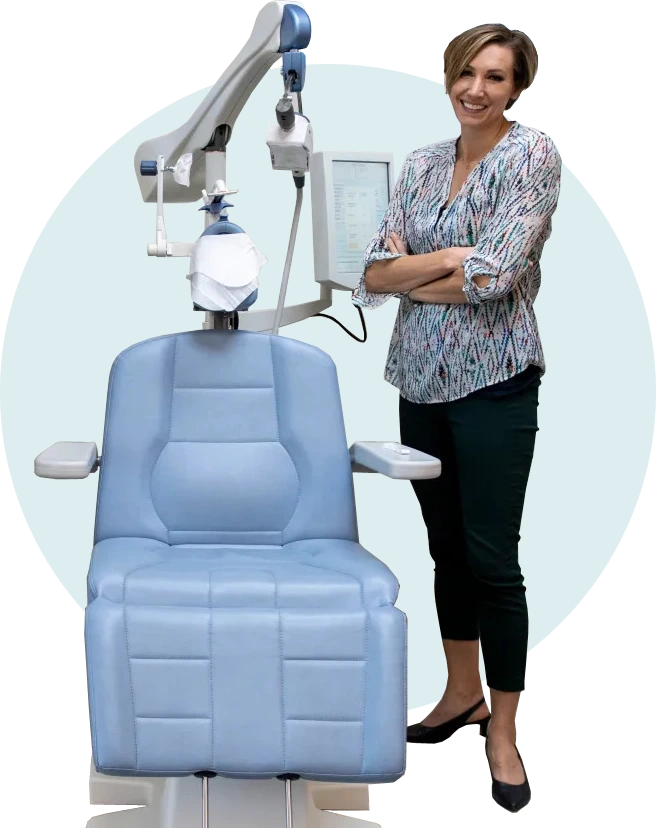
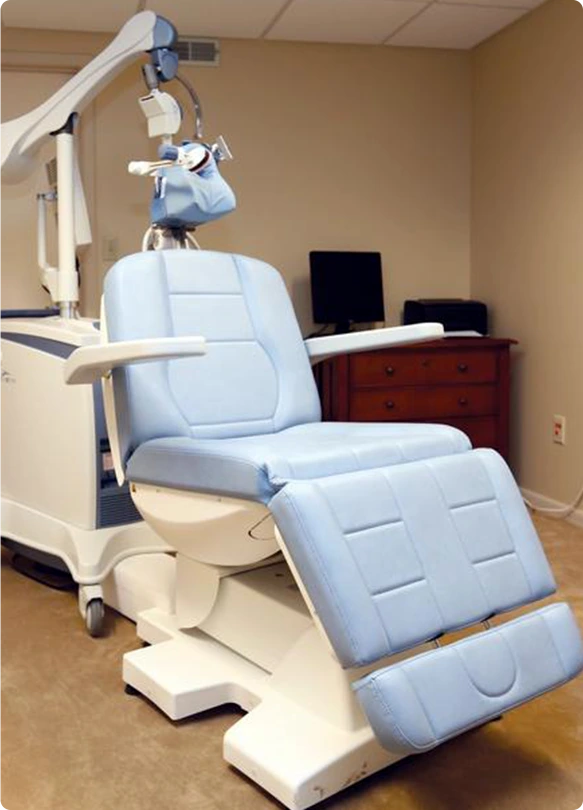
TMS, which stands for transcranial magnetic stimulation, is a non-invasive treatment that uses magnetic fields to stimulate nerve cells in the brain to improve symptoms of PTSD. During this therapy, a large electromagnetic coil is placed against the scalp near the forehead, and rapid pulses are transmitted from the coil to a targeted part of the brain. A TMS session can last 3-40 minutes and does not require anesthesia or sedation since it is not painful. The entire treatment course for PTSD involves 20-30 visits over 4-6 weeks.
- Flashbacks
- Nightmares
- Hypervigilance
- Irritability
- Sleep disturbance
- Emotional numbing
Types of TMS
Single-pulse TMS
Repetitive TMS (rTMS)
Theta burst stimulation (TBS)
Deep TMS
Involves using a different type of magnetic coil to allow deeper penetration and stimulation of neural structures. It has been used to target deeper brain regions that may not be accessible by standard TMS coils. Deep TMS is an effective treatment for various mental health issues, such as major depression, obsessive-compulsive disorder (OCD), and is also utilized for PTSD, anxiety, and smoking cessation

Consultation &
Preparation for PTSD
A thorough pre-treatment consultation is critical for preparing the patient for TMS therapy. During this meeting, Dr. Peralta carefully studies their medical history, conducts a psychiatric evaluation, and utilizes PTSD Clinical Rating Scales to assess the severity of PTSD. Contraindications like metal implants are ruled out during the initial consultation.
If the patient is cleared for TMS, Dr. Peralta explains how the therapy works, the sensations that may be experienced during treatment, and the importance of adhering to the treatment protocol for managing PTSD. Daily sessions are scheduled Monday through Friday (3-40 minutes) over 4-6 weeks. With an understanding of the time commitment and what the experience entails, patients are more likely to follow the protocol correctly. Careful preparation and education allows patients to become active partners in their TMS treatment.
Mapping the Scalp
Treatment Sessions
Maintenance sessions
TMS Procedure
TMS does not require anesthesia or sedation as the procedure is typically causes minimal discomfort. Patients remain awake and alert during the entire procedure.

Recovery After TMS
The recovery process following TMS varies for each patient based on the severity of their baseline symptoms. Many people experience gradual relief from PTSD symptoms, such as decreased frequency and intensity of flashbacks, nightmares, and anxious thoughts. They report feeling more relaxed, sleeping better, and having an easier time working and engaging in social activities. Some patients may experience rapid remission, where their symptoms disappear after only a handful of TMS sessions. Others may only see a minimal response.
Patients might benefit from seeking complementary treatments to address all of their mental health needs. For example, ongoing trauma therapy can help them process negative memories that may resurface from time to time. Such additional treatment might also ensure that positive changes in mood and cognition are integrated into daily life. Combining TMS with cognitive behavioral therapy may further improve health outcomes. Patients may undergo both personal and group therapy.

Candidates for Our PTSD
TMS is an emerging treatment that has shown impressive results in clinical studies and our practical experience. It can benefit a wide range of people who are suffering from PTSD symptoms. Potential candidates for TMS include:
- Patients who have not responded to standard PTSD treatments, such as psychotherapy and medication
- Patients who cannot tolerate the side effects of standard PTSD medication
- Patients with comorbid conditions (such as depression or anxiety) that limit their ability to engage in psychotherapy
- Patients who want to avoid residential treatment
- Patients who can comply with the frequent treatment schedule
Factors such as PTSD severity, traumatic brain injury status, and duration of symptoms may also impact candidacy. While it is being researched for other conditions, it is not routinely utilized for other mental health conditions. Therefore, we carefully screen comorbid conditions to rule out risk factors and determine if TMS is an appropriate treatment for each individual.

Contraindications
- Certain implanted devices or metals, such as cochlear implants, aneurysm clips or coils, stents, and bullet fragments or shrapnel near the head that could negatively interact with the magnetic pulses
- Significant neurological conditions, like increased intracranial pressure, brain tumors, or cerebral fluid buildup
- Inability to tolerate the TMS procedure due to conditions causing severe pain or discomfort when placing the TMS coil close to the head
Benefits of PTSD


Medications for PTSD, such as antidepressants or sleep aids, often come with troublesome side effects. Therefore, many patients want to avoid them. When combined with therapy, TMS can achieve good treatment outcomes without medication in many cases. This spares patients from weight gain or fatigue from psychiatric medications. In addition, TMS is a non-invasive, outpatient treatment.
Cost of TMS near
Greeley, CO
The cost of TMS for PTSD near Greeley, CO, ranges from $200 to $500 per session. Expenses can vary depending on the required sessions (typically between 20 and 30), the type of TMS therapy, and health insurance coverage. Additional costs may include evaluations, follow up appointments, and diagnostic tests to determine if a patient is a candidate for TMS.
Mindset TMS offers various financing options for insured and uninsured people. After initial consultation and evaluation by Dr. Peralta, patients can receive an estimate of out of pocket costs prior to beginning the treatment process.
What Makes Our Mental Health Treatment
Different From Others?
Mindset TMS uses an innovative, personalized approach to mental health care. Dr. Nicholle Peralta MD is a board-certified psychiatrist with over a decade of experience. With a compassionate team of dedicated technicians, Mindset TMS aims to empower patients to reclaim their happiness and quality of life without invasive surgery or other painful procedures. We use the latest technology to support every person on their path to recovery.