

Most teens with major depressive disorder start with therapy, antidepressant medication, or both. TMS is an FDA-cleared option for teens 15 and up whose depression has not responded well to medication. The right choice depends on how severe the symptoms are, what has already been tried, and how your teen has responded.
Understanding Teen Major Depressive Disorder (MDD)
Major depressive disorder is more than a bad week or a moody phase. It is a medical condition that affects how a teen thinks, feels, sleeps, and functions at school and at home. Common signs include lasting sadness, loss of interest in activities, changes in sleep or appetite, low energy, and feelings of hopelessness or worthlessness. When these symptoms last for weeks and interfere with daily life, a psychiatric evaluation is the right next step.
Overview of Treatment Options: TMS, Therapy, Medication
This guide to Treating Teen MDD: TMS vs. Therapy vs. Medication walks families through three paths. Therapy and medication are usually the first line of care. TMS is a non-invasive option for depression that has not improved with medication. Many teens use more than one of these approaches over time.
What Is TMS
How TMS Therapy Works
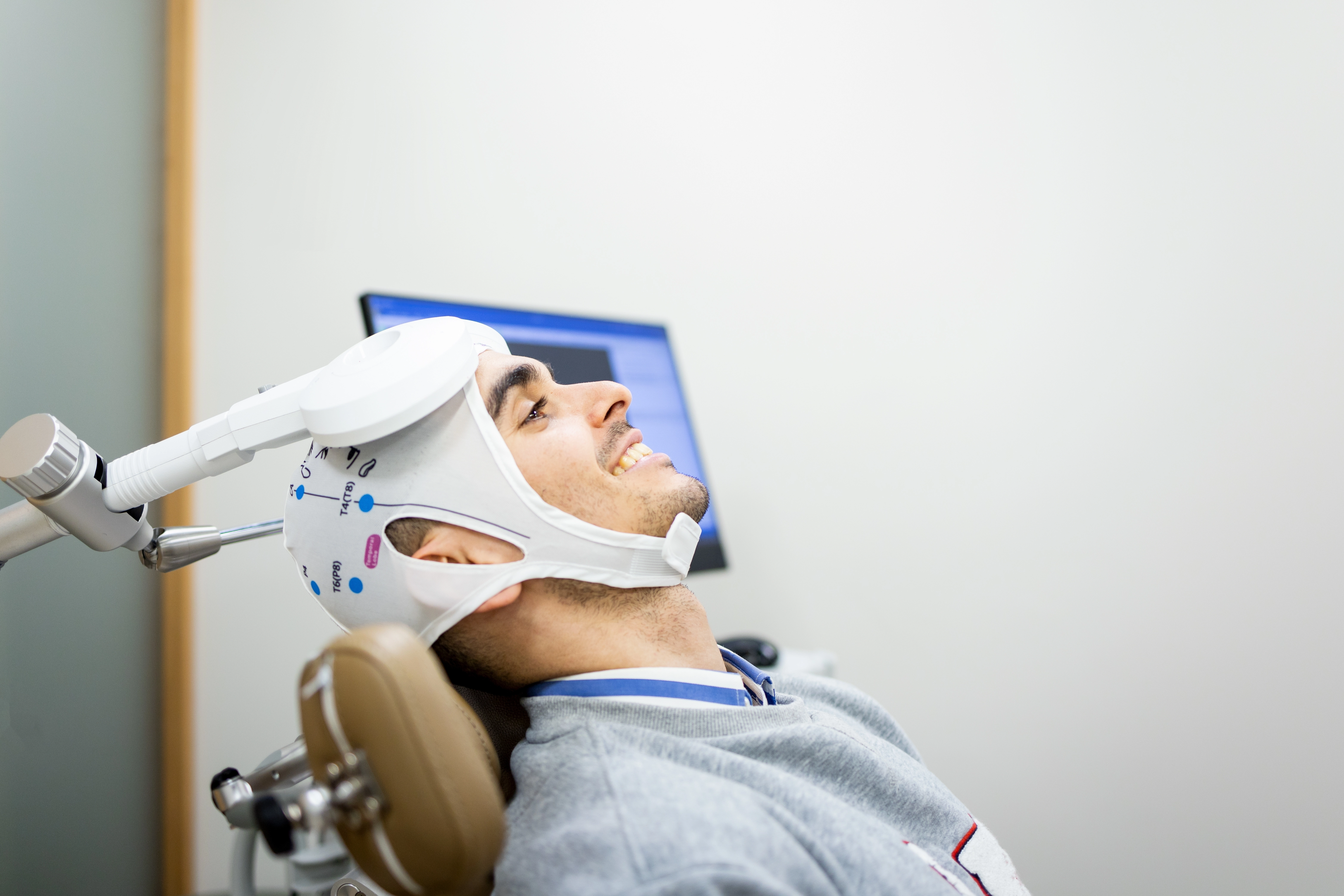
Transcranial magnetic stimulation uses short magnetic pulses to stimulate nerve cells in brain areas tied to mood regulation. During a session, an electromagnetic coil rests against the scalp near the forehead. The pulses help regulate brain circuits and neurotransmitter levels. Over a course of 30 to 40 sessions, TMS aims to activate networks that regulate mood and reduce feelings of hopelessness. Our team uses NeuroStar TMS, and you can learn more on our TMS therapy page.
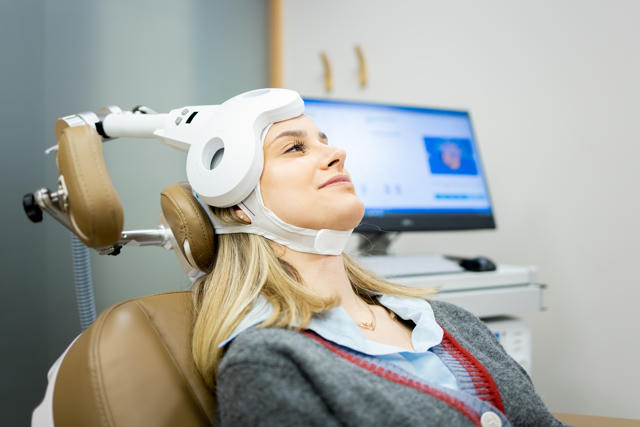
FDA Approval and Use in Adolescents
NeuroStar TMS is now FDA-cleared for teens 15 and up with treatment-resistant depression. TMS is also FDA-approved for major depressive disorder and OCD in adults. This gives families a new option when a teen has tried antidepressants without enough relief. Dr. Nicholle Peralta, M.D., our board-certified psychiatrist, evaluates each teen to decide whether TMS fits their history and symptoms.
Safety and What to Expect During TMS
TMS is non-invasive. Patients stay awake during each session and have no downtime afterward, so a teen can return to school or other activities the same day. There is no anesthesia and no medication involved in the treatment itself. Many people notice improvement within a few weeks, and results can last for months or years with proper maintenance. Our what to expect page covers the treatment journey in more detail.
Therapy and Antidepressant Medication
How Therapy and Medication Treat Teen MDD
Therapy helps teens understand their thoughts and emotions, build coping skills, and work through stressors at home or school. Antidepressant medication works on brain chemistry to ease symptoms such as low mood and poor sleep. For mild depression, therapy alone may be enough. For moderate or severe depression, medication is often added.
Combining Therapy with Medication
Many teens do well with both. Medication can lift symptoms enough that a teen has the energy to engage in therapy. Therapy then gives them tools to manage stress and prevent relapse. These two approaches support each other rather than compete.
Medication Management for Adolescents
Finding the right medication takes time and close follow-up. Our medication management service uses a collaborative process to define symptoms, confirm a diagnosis, and adjust treatment over time. The goal is to resolve symptoms, minimize side effects, and help teens maintain their well-being. Regular check-ins let our team track how a teen is responding and make changes when needed.
Comparing TMS, Therapy, and Medication
Effectiveness and Success Rates
TMS vs. Medication: Treatment Outcomes
Medication is usually tried first. TMS steps in when medication has not worked well enough. Clinical trials have shown TMS to be safe and effective for patients who had an inadequate response to prior antidepressants. For teens who feel stuck after several medication trials, TMS offers a different way to target the brain circuits involved in mood.
Antidepressant Success Rates
Antidepressants help many teens, but not every teen responds to the first medication. It is common to try more than one medication or dose before finding a good fit. When a teen has tried at least two medications without enough relief, their depression may be considered treatment-resistant. That is the point where TMS becomes worth discussing.
Side Effects and Tolerability
TMS Side Effects
TMS does not travel through the bloodstream, so it avoids the whole-body side effects linked to medication. Some patients notice mild scalp discomfort or a headache near the treatment area, which often eases as sessions continue. Patients stay alert and can drive and attend school after each session.
Antidepressant Side Effects
Antidepressants can cause side effects such as stomach upset, sleep changes, headaches, or changes in appetite. Teens starting a new medication need close monitoring for any change in mood or behavior. Regular follow-up visits help catch problems early and guide adjustments.
Safety Considerations for Teens
Every option needs careful oversight in teens. Medication requires ongoing check-ins. TMS requires a thorough evaluation to confirm candidacy. Families should share a full history of past treatments, medications, and safety concerns with the care team.
When to Choose Each Treatment Option
Therapy alone: mild symptoms and a teen who is safe and functioning.
Therapy plus medication: moderate to severe symptoms.
TMS: teens 15 and up whose depression has not improved after medication trials.
Tips for Families Considering Treatment Options
Questions to Ask Providers
When Treating Teen MDD: TMS vs. Therapy vs. Medication becomes a real decision for your family, these questions can help:
What diagnosis fits my teen’s symptoms?
Which treatments has my teen tried, and how well did they work?
Is my teen a candidate for TMS?
How will progress be measured?
What should we do if symptoms get worse?
Supporting Teens Through the Treatment Journey
Stay involved without taking over. Ask your teen how they feel about each option and include them in decisions. Keep a simple log of mood, sleep, and energy to share at appointments. Expect progress to come in steps rather than all at once. Celebrate small gains, such as getting out of bed more easily or returning to a favorite activity.
Conclusion
Key Takeaways: Choosing the Right Treatment for Teen MDD
Therapy and medication are the usual starting points for teen depression. TMS is an FDA-cleared, non-invasive option for teens 15 and up who have not responded well to medication. Dr. Nicholle Peralta, M.D. and our team can help your family decide which path fits your teen. Visit our TMS for depression page to learn more.