What Is TMS Therapy?
Transcranial magnetic stimulation (TMS) is a non-invasive procedure that treats various mental health conditions, including depression, obsessive-compulsive disorder (OCD), anxiety, and post-traumatic stress disorder (PTSD). It involves using magnetic pulses to stimulate nerve cells in the brain, specifically targeting areas associated with mood regulation. TMS has been FDA-approved for treating major depressive disorder, OCD, and smoking cessation. However, our board-certified psychiatrist, Dr. Nicholle Peralta, also uses this therapy to help patients with PTSD, anxiety, and other conditions. TMS is a highly effective treatment for restoring mental wellness and improving quality of life.
According to the U.S. Food and Drug Administration, TMS was cleared for treatment-resistant depression in 2008 and for OCD in 2018. The National Institute of Mental Health lists TMS among established brain stimulation therapies.

According to the U.S. Food and Drug Administration, TMS was cleared for treatment-resistant depression in 2008 and for OCD in 2018. The National Institute of Mental Health lists TMS among established brain stimulation therapies.
What Conditions Can TMS Treat?


OCD is a mental health condition characterized by recurring, intrusive thoughts (obsessions) and repetitive behaviors or mental acts (compulsions) that a person feels compelled to perform to alleviate anxiety. TMS treatment for OCD targets specific brain circuits involved in the disorder, particularly the cortico-striato-thalamo-cortical (CSTC) network. By modulating neural activity in these areas, TMS can help reduce the frequency and intensity of obsessions and compulsions, improving the quality of life for individuals with OCD.


Single-Pulse TMS
Repetitive Transcranial Magnetic Stimulation (rTMS)
- High-frequency rTMS (10 Hz) is generally used to increase cortical excitability. It is often utilized to treat depression by stimulating the left dorsolateral prefrontal cortex. This is the standard option for most patients undergoing therapy.
- Low-frequency rTMS (1 Hz) decreases cortical excitability and has shown promise in healing depression, anxiety, and PTSD.
Theta Burst Stimulation (TBS)
TBS is a more recent form of rTMS that mimics the brain’s natural theta rhythm, delivering three pulses at 50 Hz stimulation. There are two main types of TBS:
- Intermittent TBS (iTBS) involves triplets of 50 Hz pulses for 2 seconds and then an 8-second pause, continuing for approximately 3 minutes. It is generally used to increase cortical excitability and to treat depression.
- Continuous TBS (cTBS) involves uninterrupted trains of bursts (repeated every 0.2 seconds) and is typically used to decrease cortical excitability.
TBS has gained attention due to its potential to produce the same effects with shorter treatment sessions (3-9 minutes) than traditional rTMS protocols (20-40 minutes).
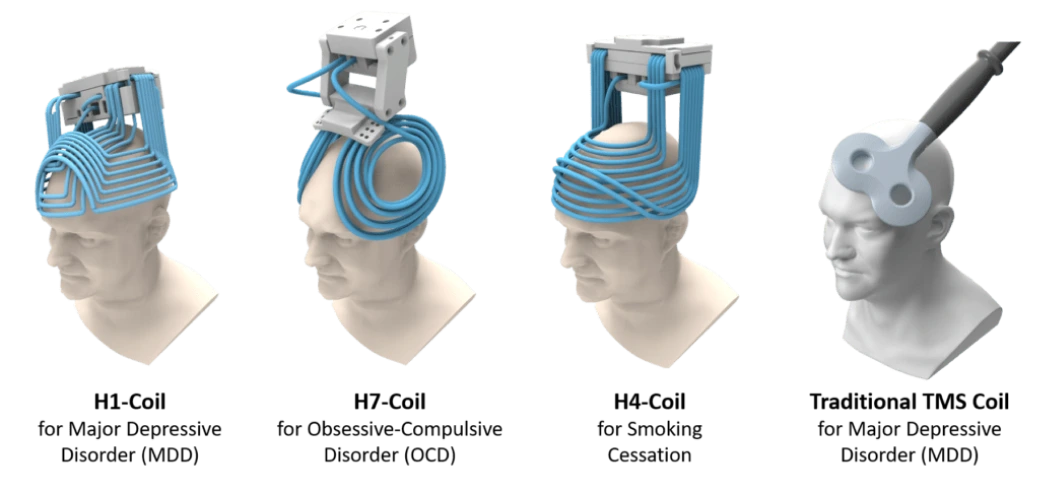
Deep Transcranial Magnetic Stimulation (dTMS)
Types of TMS Therapy

Initial Consultation
- Standard rTMS therapy (20-minute daily sessions for 6-9 weeks)
- Accelerated iTBS therapy (9-minute treatments 5-10 times every day for five days)
- Standard dTMS therapy (20-minute daily sessions for 6-9 weeks)
What to Expect During TMS Therapy
Brain Mapping
Brain Stimulation
Repeat Sessions
Recovery and Side Effects
Diagnosed With Depression
Failed One or More Antidepressant Medications
Unresponsive to Psychotherapy
Patients With Other Mental Health Disorders

Is TMS Therapy Right for You?
Contraindications
Frequently asked questions about TMS therapy
What is TMS therapy?
Transcranial magnetic stimulation (TMS) is a non-invasive procedure that treats various mental health conditions, including depression, anxiety, OCD, and PTSD. According to the U.S. Food and Drug Administration, TMS was cleared for treatment-resistant depression in 2008 and for OCD in 2018. The National Institute of Mental Health lists TMS among established brain stimulation therapies.
What happens during a TMS session?
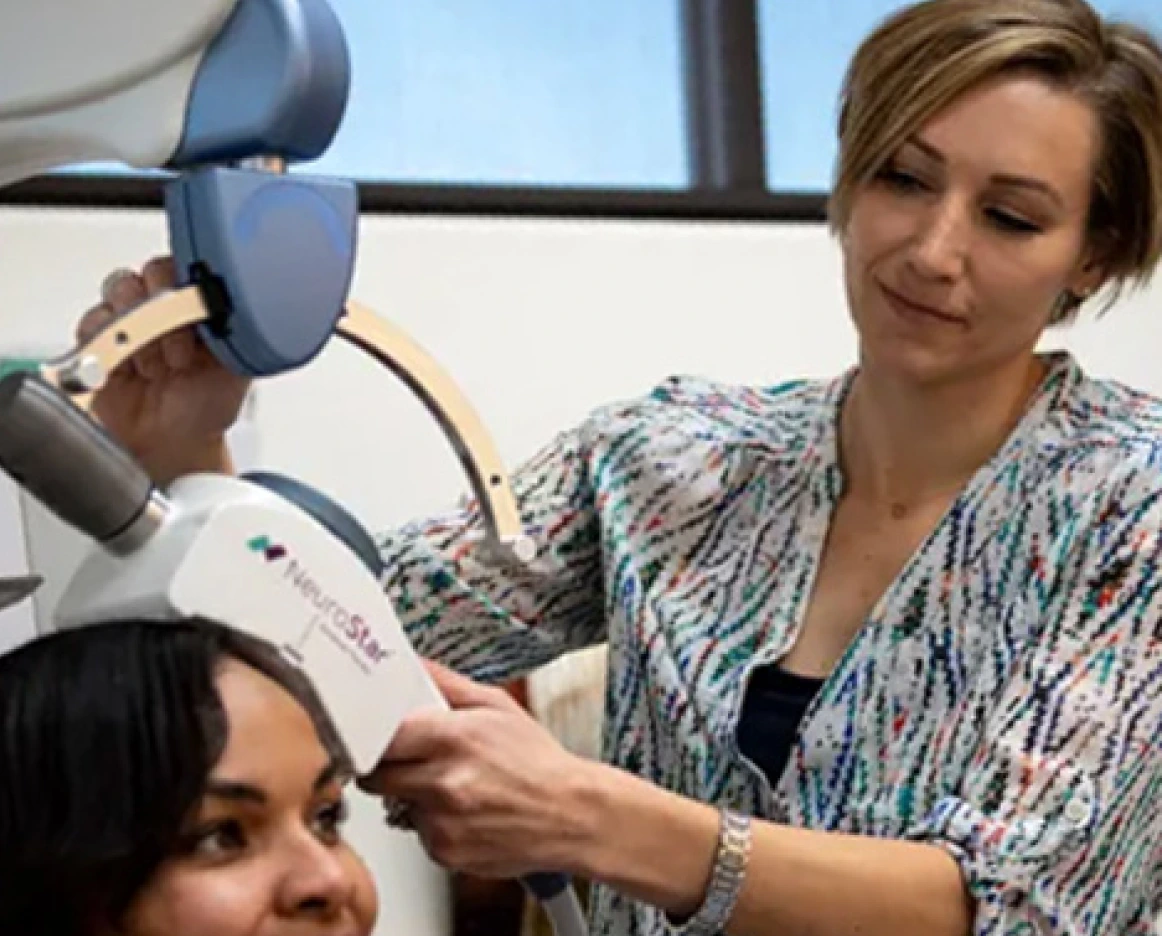
The patient remains awake and alert, sitting in a reclined chair. An electromagnetic coil is positioned on the head to deliver targeted magnetic pulses. Patients usually undergo daily sessions lasting 3-20 minutes.
What types of TMS does Mindset TMS use?
Treatment may include repetitive TMS (rTMS), which delivers multiple magnetic pulses to targeted brain regions, and Deep TMS (dTMS), which stimulates deeper brain structures.
How do I get started?
Before beginning TMS, a consultation is scheduled with Dr. Peralta to review symptoms and treatment history and determine if this procedure is appropriate.
- Metallic Implants & Devices: Any magnetic-sensitive, non-removable metallic implants in the head or neck within 12 inches of the TMS magnetic coil are a major contraindication. This includes cochlear implants, electrodes, aneurysm clips or coils, stents, bullet fragments, ocular implants, and facial tattoos with metallic ink. If exposed repetitively to electromagnetic fields, they pose risks of shifting position, heating, or operational disruption.
- Seizures & Neurological Disorders: Patients are screened for any personal or family history of seizures, epilepsy, brain surgery, stroke, brain tumors, or other neurological illnesses. TMS has the potential to increase risk for seizures.
- Substance Abuse: Active substance abuse involving stimulants, hallucinogens, or excessive alcohol would need to be resolved or in sustained remission before initiating TMS therapy. Withdrawal from benzodiazepines, opiates, or other substances that lower the seizure threshold can raise the risks of adverse reactions.
Benefits of TMS Therapy

FDA Approved

50% to 80% Success Rate

Non-Invasive

Fast Sessions

Minimal Side Effects

Cost of TMS Therapy
in Greeley, CO
We accept most Insurance Plans
Our friendly team helps patients navigate insurance coverage questions. We accept most plans and minimize out-of-pocket expenses. Insurance companies typically require the following from patients:
- Diagnosis of Major Depressive Disorder
- Tried 1-3 antidepressant medications without success
If you don't have insurance, we also offer financing options